For other industries or use cases, contact us to discuss your requirements

Access natural catastrophic data, understand its spatial impact, and act on structured event insight.
EarthquakeUSGS


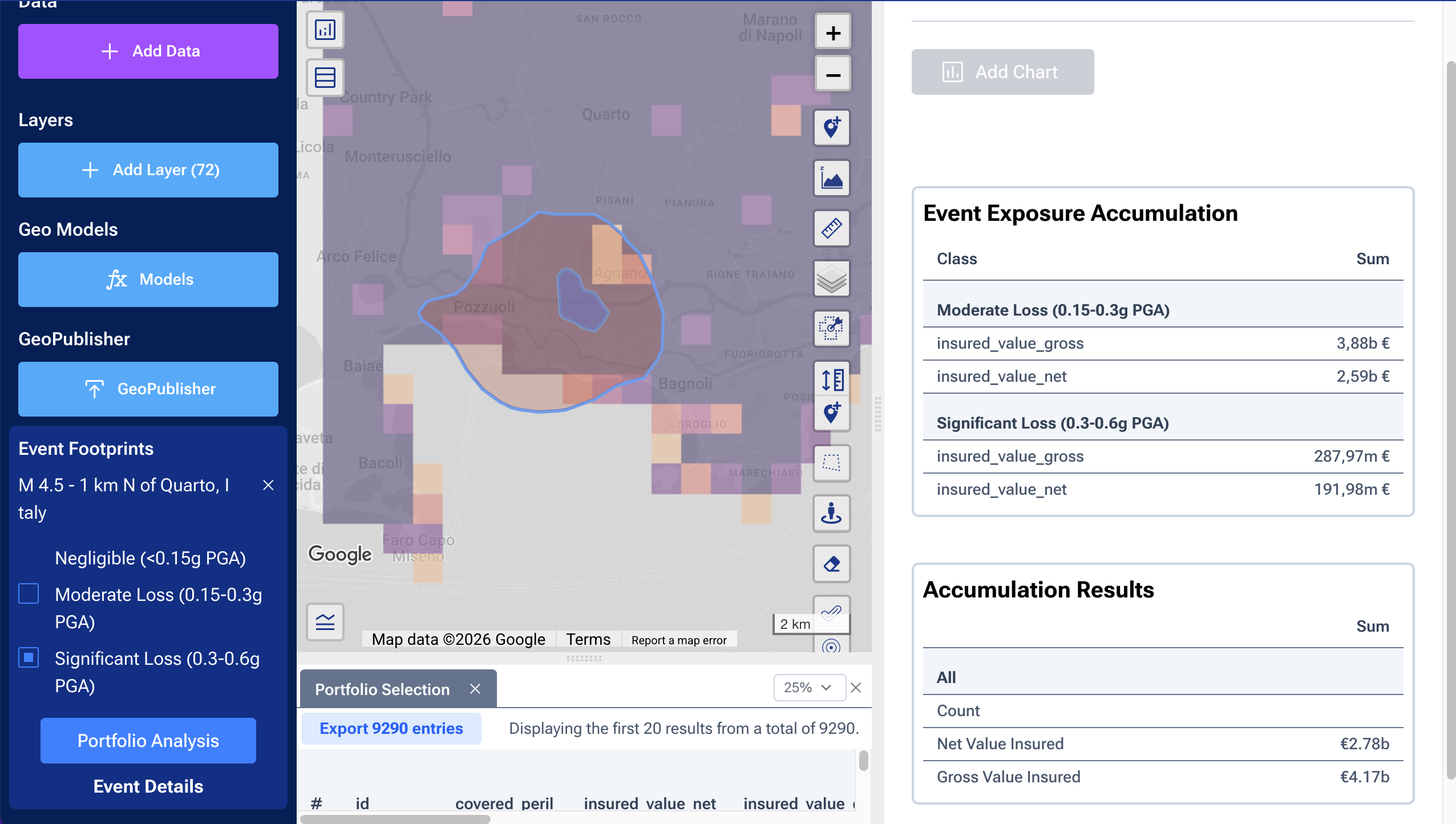
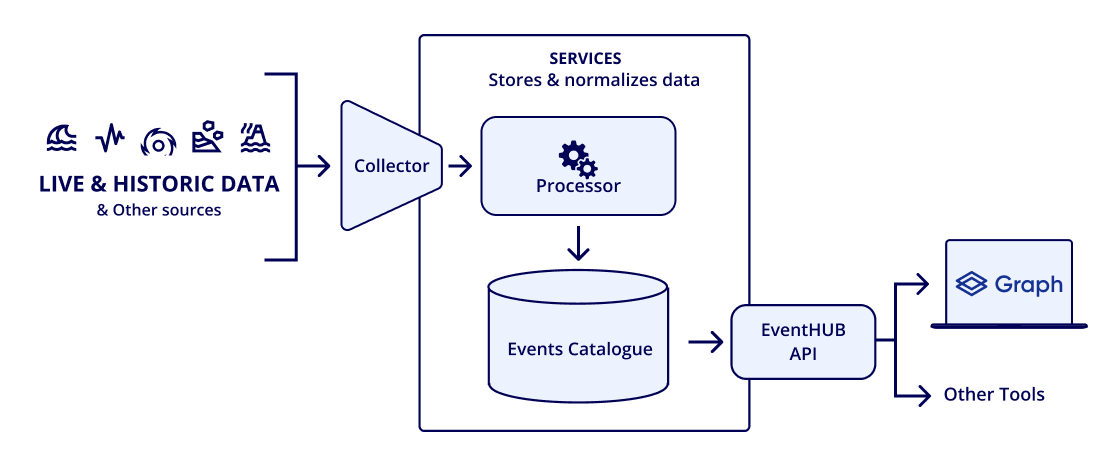
EventHub ingests and standardizes real-time hazard data, manages the footprint on natural catastrophes, and maps their impact across your assets to support exposure analysis and event-driven response.
EventHub uses data from authoritative public and institutional providers to ensure consistent, high-quality event coverage across regions and perils.


Intersect real-time hazard footprints (e.g. flood, wildfire, earthquake) with your spatial data to identify affected locations and assess impact.


Perform automated spatial joins to detect affected areas, quantify exposure, and analyze concentrations within event footprints.

Ingest and standardize hazard data into a consistent geospatial event model, enabling comparable analysis across sources, regions, and perils.

Access versioned historical event data with metadata and traceability to support retrospective analysis and scenario comparison.

Access event data via GeoJSON-based APIs and integrate directly into GIS platforms, analytics environments, and operational systems.

Secure, auditable infrastructure with controlled access, logging, and support for integration into governed enterprise environments.

Analyse new events immediately as they occur, eliminating processing delays and enabling faster impact assessment and response.

Organise and analyse events across regional, continental, and global levels to support targeted assessments and large-scale risk monitoring.

Upload your own event footprints and other relevant datasets as polygons or GeoJSON. Data is stored in the backend and can be analysed against your spatial datasets.

Combine EventHub data with your own event, asset, or operational data to support spatial analysis across different sources and workflows.

Qarta™ to enable analysis of asset portfolios against real-time catastrophic events, in order to identify affected locations and assess potential impact at scale.

Outputs can be visualized, combined with other spatial data, and explored interactively in Graph for analysis, reporting, and decision support.

Real-time event data can be integrated into Rapid for instant enrichment and high-speed processing across complex geospatial workflows.

Earthquake - USGS

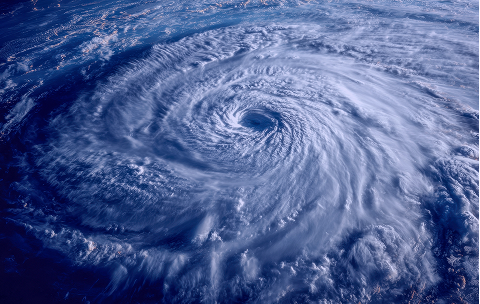
Hurricane - NOAA

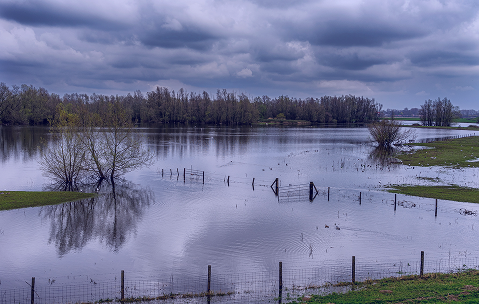
Flood - ESA, JRC, and FEMA (US)

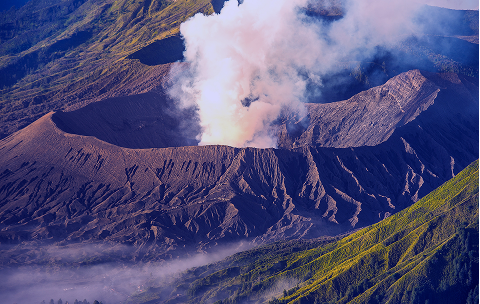
Volcanic eruption - ESA

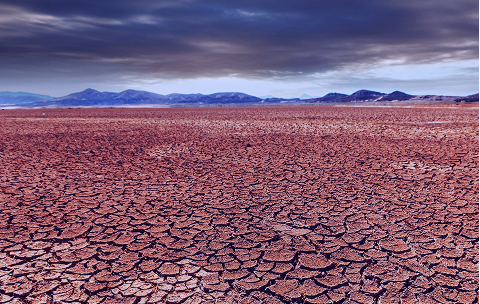
Drought - ESA

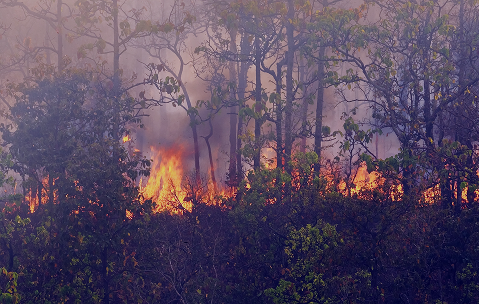
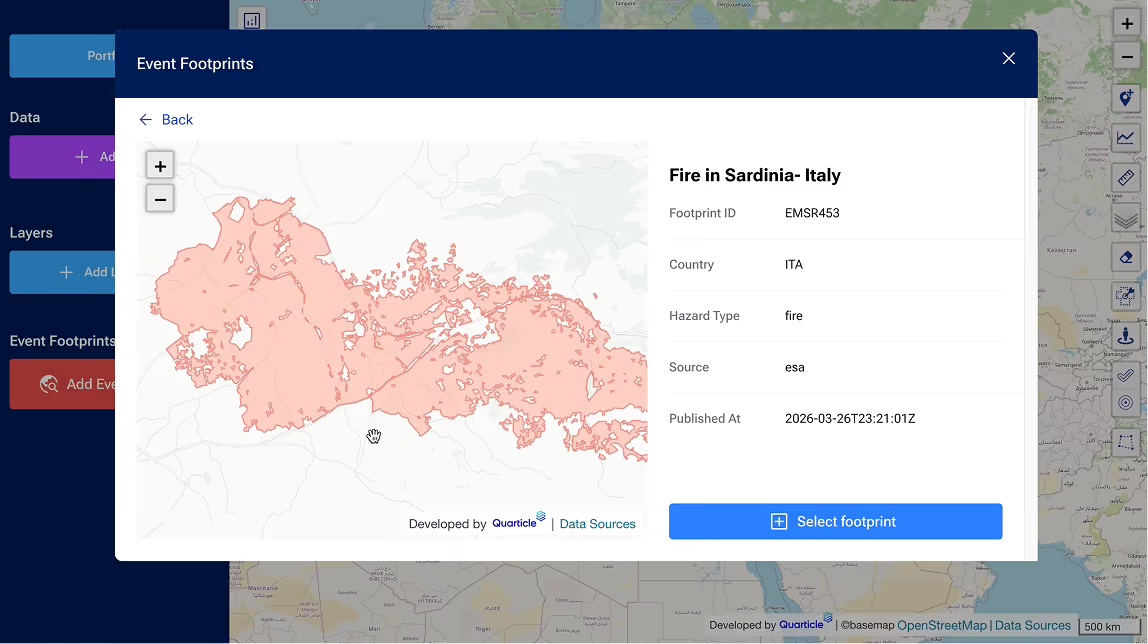
Wildfire - ESA

Tropical Wind Severity and Cyclone Tracks - NOAA

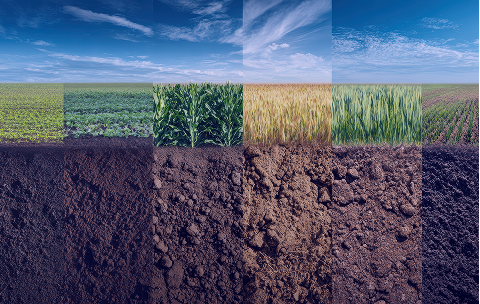
Europe Soil Moisture Index - ESAOwn Event Footprints can be added (either polygon or GeoJson)
Track, compare, and analyze event evolution.
Access continuously updated event data to understand impact as it unfolds.
Work with standardized GeoJSON outputs, ready for GIS, models, and dashboards.
Integrate seamlessly across Qarta™, Graph, or Rapid and your existing technology stack.
Enable AI-driven analysis and automation through structured data and MCP-enabled access.
Identify affected locations and understand spatial impact instantly.

““EventHub gives us the ability to understand risk accumulations and event impact in seconds. From underwriting to claims and reinsurance, our teams now rely on live event data to make faster, more confident decisions. No more chasing event maps or manual exposure checks, it just works.”
See where impact occurs and respond with speed and precision.